By age 7, a child’s smile is still developing, but an orthodontist can already see important patterns in how the teeth, jaws, and bite are growing.
Early treatment is not about rushing into braces, but about understanding what is happening beneath the surface and choosing the right timing for each child. For parents, an early evaluation can provide reassurance, a clearer picture of future needs, and a plan for when intervention may be helpful.
What is Early Orthodontic Care?
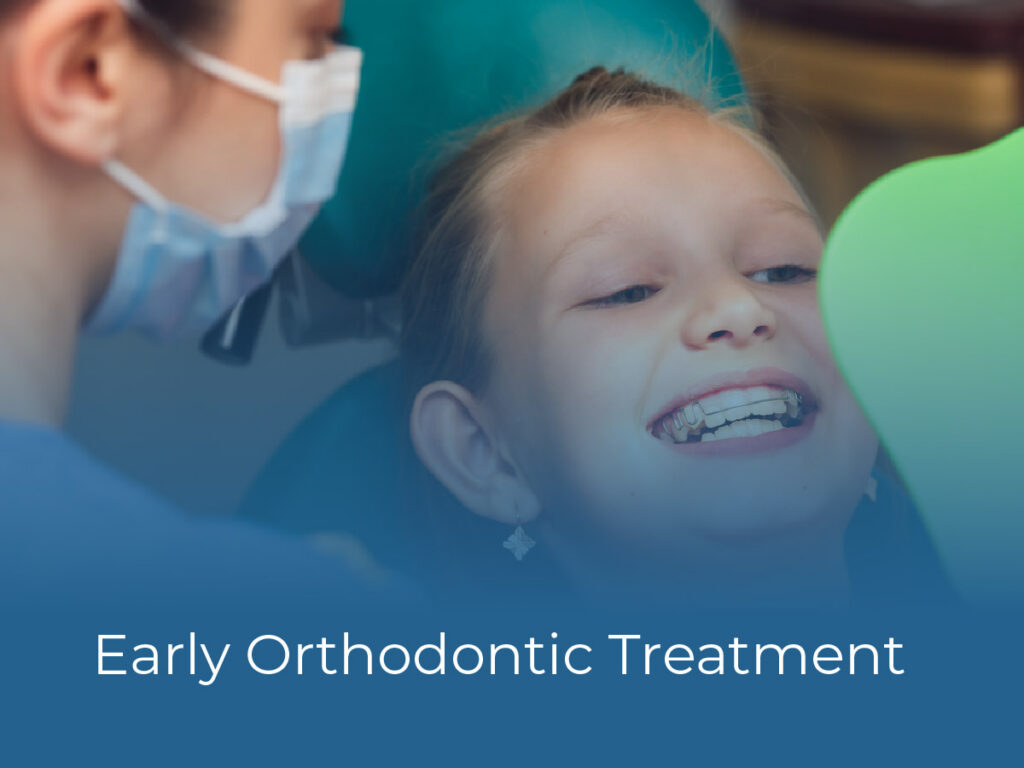
Early orthodontic care, sometimes called interceptive orthodontics, focuses on evaluating a child’s teeth and jaw development while they are still growing.
At this stage, children usually have a mix of baby teeth and permanent teeth. This gives the orthodontist a chance to assess how permanent teeth are coming in, whether there is enough space, and how the upper and lower jaws are developing.
When Should a Child See an Orthodontist?
Most children should have their first orthodontic evaluation around age 7. Around this age, an orthodontist can evaluate:
- Crowding or spacing
- Jaw growth
- Permanent tooth eruption
- Early or delayed loss of baby teeth
- Oral habits that may affect development
This first visit helps parents understand whether their child’s smile is developing as expected, should be monitored, or may benefit from early orthodontic care.
When Early Orthodontic Treatment May Help
Interceptive orthodontics can be useful when a child’s growth can still be guided. By addressing certain issues early, treatment may reduce the severity of future problems and help create a better foundation for permanent teeth.
Early treatment may be recommended for:
- Severe crowding: When there is not enough room for permanent teeth to come in properly, early care may help create space and reduce future complications.
- Crossbite: A crossbite occurs when the upper and lower teeth do not fit together correctly. If left untreated, it may affect jaw growth or lead to uneven tooth wear.
- Narrow upper jaw: A narrow palate can contribute to crowding, bite issues, and other developmental concerns. A palatal expander may be recommended to gently guide growth.
- Early or late loss of baby teeth: Baby teeth help hold space for permanent teeth. Losing them too early or too late can affect how adult teeth erupt.
- Prolonged thumb-sucking or oral habits: Some habits can influence tooth position, jaw growth, or bite alignment over time. Early guidance can help limit long-term effects.
- Jaw growth concerns: If the upper and lower jaws are developing at different rates, early monitoring or treatment may help improve balance and function.
What Early Orthodontic Treatment May Include
Early treatment plans are customized based on the child’s age, growth stage, and specific needs. The goal is not to complete all orthodontic treatment at once, but to address issues that are best treated while a child is still growing.
Treatment may include:
- Space maintainers
- Partial braces
- Growth-guidance appliances
- Habit appliances
- Periodic monitoring visits
Some children who receive early treatment may still need braces or Invisalign later. However, interceptive orthodontics can sometimes make future treatment more efficient.
Frequently Asked Questions
Is age 7 too early for braces?
For most children, age 7 is too early for full braces. The first visit to an orthodontist is usually an evaluation, not the start of treatment. If treatment is recommended, it is typically focused on specific growth, spacing, or bite concerns.
Does every child need early orthodontic treatment?
No. Many children are simply monitored until more permanent teeth come in. Treatment is recommended only when acting earlier may improve growth, bite function, or future treatment needs.
Can early orthodontic treatment make future braces shorter?
In some cases, yes. Early treatment may make future orthodontic care simpler by creating space, improving bite relationships, or guiding jaw growth before all permanent teeth come in.
Does early orthodontic care hurt?
Most early orthodontic appliances create gentle pressure rather than pain. Children may feel mild soreness or tightness at first, but this usually improves as they get used to their new appliances.
Supporting Your Child’s Smile at the Right Time
Early orthodontic care is most helpful when it is based on your child’s individual growth and development. Some children benefit from early intervention, while others only need monitoring until the time is right.
At Williams Orthodontics, our team helps families understand what is happening with their child’s smile and what steps, if any, may be needed next.
Scheduling an early orthodontic evaluation can give you a clearer picture of your child’s growth and help support a healthy, confident smile for years to come.